
GHK-Cu: The Copper Peptide Powering Modern Skin & Hair Regeneration Research
In the world of cosmetic and regenerative peptide science, few compounds have earned the reputation of GHK-Cu. Known for its connection to skin repair, collagen production, tissue regeneration, and hair follicle research, GHK-Cu has become one of the most widely studied peptides in advanced cosmetic and cellular research.
Often described as a “repair signal peptide,” GHK-Cu continues gaining attention from laboratories focused on anti-ageing pathways, tissue recovery, and next-generation cosmetic formulations.
Quietly legendary.
Increasingly essential.
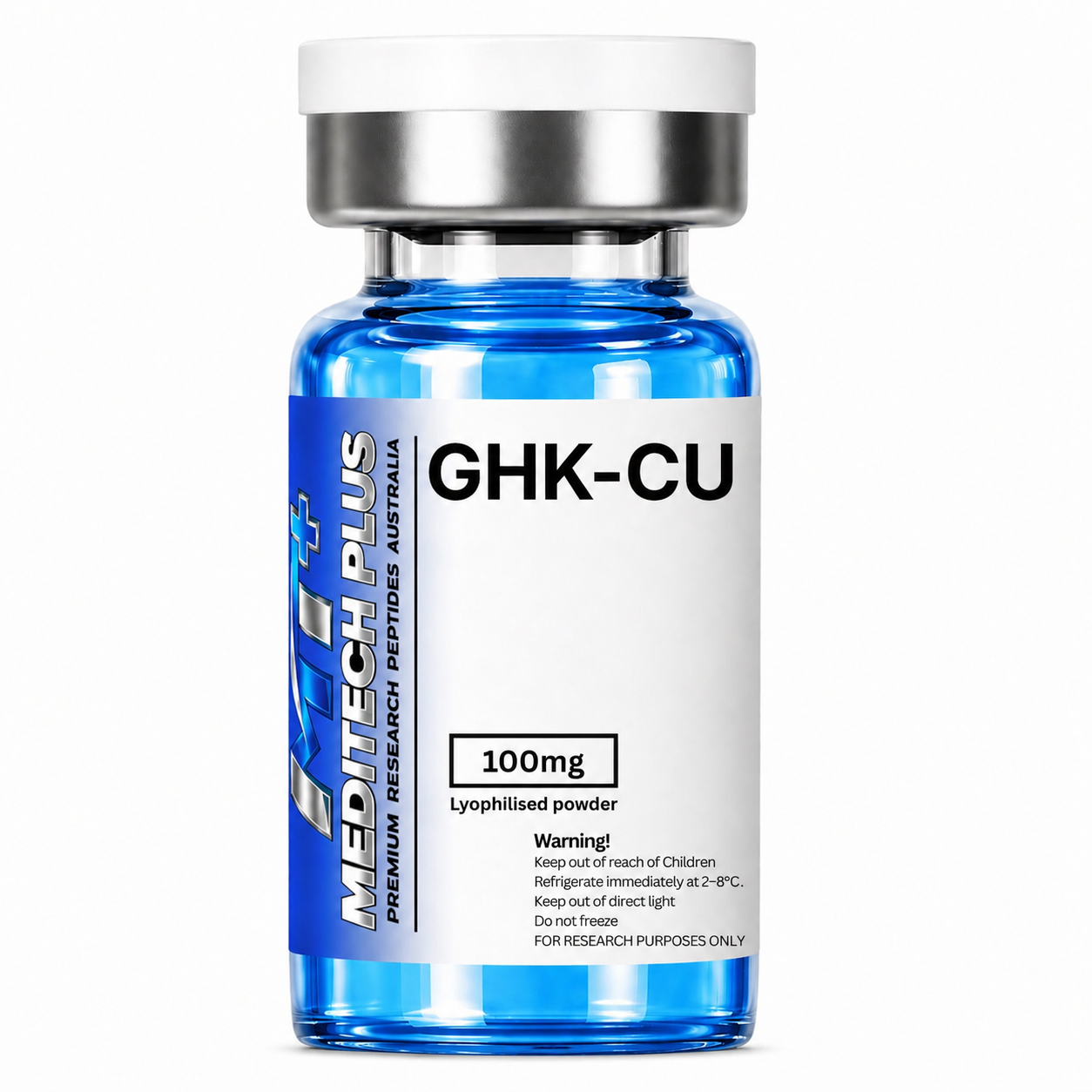
What Is GHK-Cu?
GHK-Cu is a naturally occurring copper-binding peptide researched extensively for its potential role in tissue repair and cellular communication pathways.
In cosmetic and laboratory settings, researchers study GHK-Cu for its involvement in:
- Collagen production and skin support
- Hair growth and follicle regeneration
- Tissue repair and wound-healing pathways
- Anti-inflammatory signalling
- Cellular protection and recovery models
- Anti-ageing and skin rejuvenation research
Its long-standing reputation in skin science has made it one of the most recognized peptides in cosmetic research today.
Why Researchers Are Interested in GHK-Cu
Modern peptide science increasingly focuses on compounds that help researchers understand how the body naturally repairs and renews tissue.
GHK-Cu stands out because copper peptides are believed to function as biological signalling molecules involved in repair processes throughout the body.
This has made GHK-Cu especially valuable in studies exploring:
- Collagen Production & Skin Tightening: Researchers investigate how copper peptide signalling may support collagen synthesis and improve the appearance of skin firmness.
- Hair Growth & Follicle Research: GHK-Cu is frequently studied in models involving follicle support, scalp health, and hair regeneration pathways.
- Tissue Repair & Regeneration: Many laboratories explore its role in tissue renewal, wound-repair signalling, and recovery-focused research.
- Anti-Inflammatory Pathways: Researchers also examine how peptide signalling may interact with inflammation and cellular stress response mechanisms.
- Cellular Protection & Anti-Ageing Models: As oxidative stress and tissue degradation remain central topics in ageing research, GHK-Cu continues attracting interest in cellular longevity studies.
How GHK-Cu Works
At a basic level, GHK-Cu is researched for its ability to act as a biological repair signal.
Copper peptides are believed to communicate “rebuild and renew” instructions within cellular environments. Researchers study whether this signalling may encourage cells to:
- Support collagen formation
- Repair damaged tissue
- Improve skin thickness and elasticity
- Strengthen hair follicles
- Protect against environmental stress
In cosmetic science, these repair-focused pathways are central to the growing demand for advanced peptide formulations aimed at healthier-looking skin and tissue support.
Final Thoughts
In modern cosmetic and regenerative research, understanding how cells repair and protect tissue is a major focus of innovation. GHK-Cu has become a cornerstone peptide in studies involving collagen support, skin rejuvenation, hair follicle research, and tissue regeneration pathways.
Its continued popularity reflects the growing demand for sophisticated peptide technologies designed to support next-generation cosmetic and cellular research.
Because repair and renewal never go out of style.